 Fashion
A work wardrobe with a point of view.
By Toni Mela
The little black dress is often described as though it were a single object with a stable meaning.
 WORDS BYSara TillaOctober 21, 2026

The little black dress is often described as though it were a single object with a stable meaning. In practice, the phrase covers garments that differ enormously in cut, fabric, movement and social use. A simple cotton shift, a close evening dress and a sculptural formal piece may all be black and relatively concise, yet they ask very different things of the wearer. The category is powerful partly because it appears to promise simplicity while containing so many possibilities.
Harper's Bazaar's oral history of the little black dress is a reminder that the garment has a cultural life beyond any one shopping recommendation. Our interest here is not to compress that history into a single origin story. It is to consider why the idea remains useful, why it can become restrictive and how a person might choose a black dress without assuming that one supposedly essential item should solve every occasion.
A black dress can make construction more important because colour is not doing the visible work. The eye may move towards the neckline, shoulder, waist, sleeve or hem. A small change in one of those areas can alter the entire impression. The apparent simplicity of the garment therefore does not mean the design is neutral. It means the decisions are concentrated in shape, proportion and the way the fabric responds to light and movement.
This is why two dresses that look similar on a hanger can feel unrelated when worn. One may stand away from the body, another follow it closely. One may create a clean vertical line, another gather or twist as the wearer moves. The useful assessment is physical as well as visual. Sit, walk and raise your arms. A dress that appears effortless only when held in a careful pose is offering a different kind of experience from one that remains easy throughout the day.
The word little can also obscure variety. It need not mean that every wearer wants a short hem, a narrow silhouette or minimal coverage. The enduring idea is better understood as a relatively contained garment capable of carrying a complete look. That leaves room for different lengths and shapes, and makes the category more useful than a rigid picture of what an essential dress is supposed to resemble.
Fabric changes how black appears. A matte surface absorbs attention differently from a reflective one; a textured weave can create visible depth; a transparent layer introduces another relationship entirely. Before deciding that a dress is too plain or too dramatic, identify what the material is doing. The same outline in a different surface may answer the occasion more comfortably without requiring a change in every other aspect of the garment.
Lighting matters too. A dress can look quiet in daylight and more expressive under evening lighting, particularly when it has a reflective finish or visible texture. That variation can be appealing, but it is worth understanding before choosing a garment for a specific setting. Try to assess the dress beyond the most flattering image or mirror. You are buying a material object that will move through different environments, not a fixed photographic effect.
Care is part of the fabric decision. Read the instructions and consider whether the required maintenance fits the frequency with which you expect to wear the dress. A garment intended as a reliable option becomes less reliable if it is always waiting for cleaning you have not arranged. The practical value of simplicity includes being able to prepare the dress for use without turning every occasion into a small restoration project.
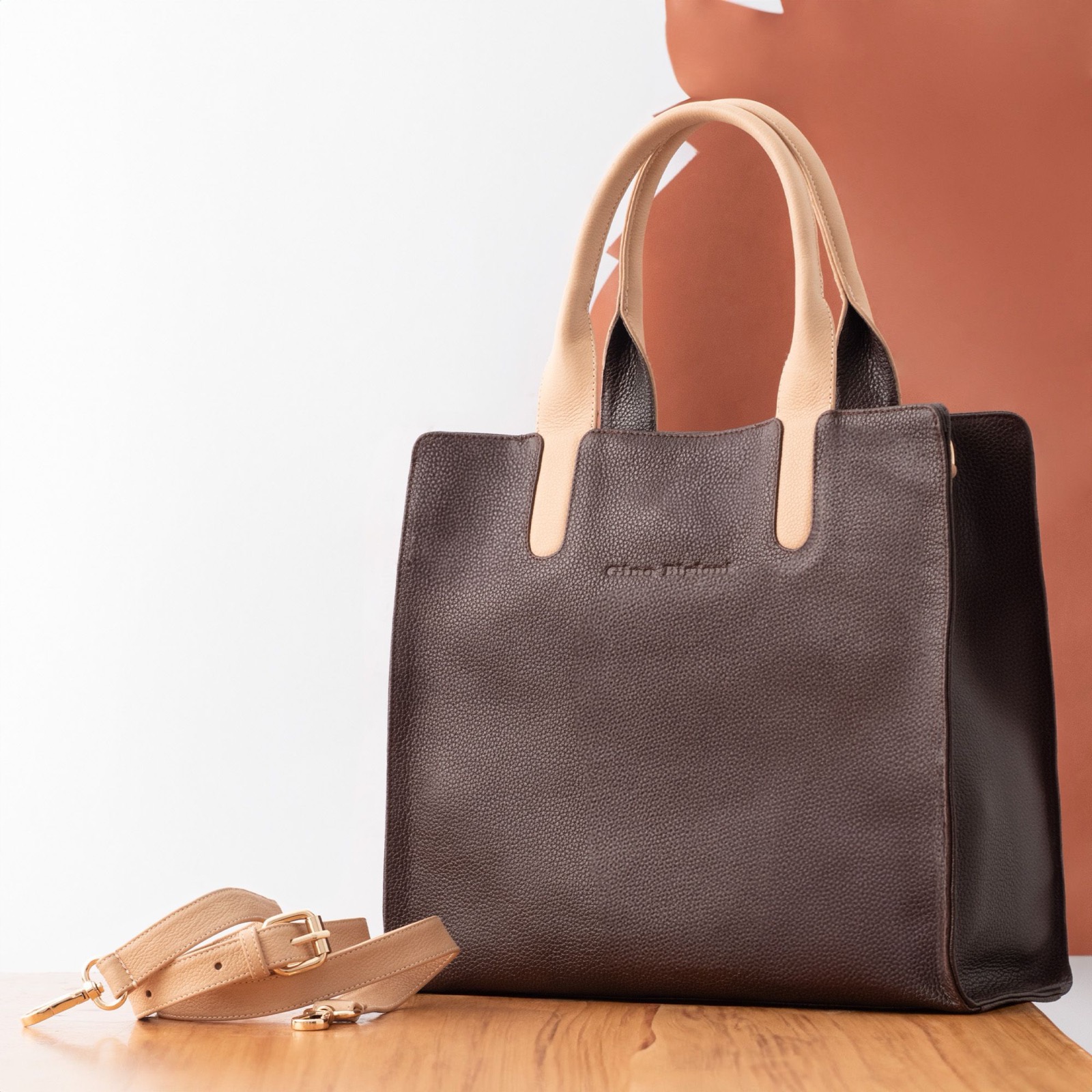
The familiar promise is that a black dress can be transformed endlessly with accessories. Sometimes it can. A different shoe, bag or layer may change the mood substantially. But versatility has limits, and those limits are not a flaw. A highly formal dress may remain formal; a casual fabric may not suit a particular event. Accessories can shift context, but they do not erase the underlying character of the garment.
Begin with the dress on its own and identify what it already communicates. Then add only what the occasion and your preferences require. A strong neckline may need little jewellery. A simple shape may welcome a more expressive earring. A coat or practical bag may be more important than another decorative detail. The completed outfit should include the objects you will actually use, rather than treating them as inconvenient additions after the ideal look has been arranged.
Shoes deserve particular attention because they change both the silhouette and the experience of wearing the dress. Try the pair you intend to use and move around in the complete outfit. A hem may behave differently with a flat or a higher shoe. The right combination is not necessarily the most traditionally elegant one; it is the one that fits the setting while allowing you to participate comfortably in the day or evening.
Calling a garment essential can make the purchase feel settled before the practical questions have been asked. What occasions do you need it for? How often do they occur? What do you already own that serves them? A black dress may be an excellent answer, but it is not automatically the answer for everyone. Some wardrobes work more naturally around trousers, separates or dresses in other colours. The category's cultural authority should not override that evidence.
If you do want one, define the role clearly. Perhaps you need a dress that can move from work to dinner, or something for relatively formal events, or an easy shape for ordinary days. These are different briefs. Trying to satisfy all of them with one garment can lead to a compromise that feels ideal nowhere. A useful dress may be versatile within a defined range rather than universally appropriate.
Consider fit in the present rather than in an imagined future. The dress should work for the body and routine you have now. If an alteration would help, discuss feasibility and cost before committing. Avoid treating an uncomfortable fit as the price of owning the correct classic. A classic earns its place through use. It should not require the wearer to become a different shape or person before it can fulfil its promise.
The little black dress remains culturally interesting because it can carry restraint, drama, practicality or ceremony without changing its basic description. That flexibility is also why the category should stay open. There is no single correct version waiting to complete every wardrobe. There are particular dresses, particular bodies and particular occasions, brought together through choices that become meaningful in use.
A good black dress does not need to make you timeless. It needs to make sense when you put it on: the fabric, the movement, the neckline, the length and the life around it. Its value may grow through repetition and memory, or it may remain a piece for a small number of important occasions. Either way, the garment becomes more useful when its broad cultural promise is translated into a specific, personal reason to wear it.
WINTER WARDROBE
Compare these current collections with the shapes and layers you already wear.
COS is a useful starting point when comparing a fine merino layer with a more substantial crew-neck or funnel-neck knit. Check the composition and care instructions on the individual item before choosing.
Johnstons of Elgin gives you a useful range of scarf shapes to compare. A narrow scarf can fit neatly under a coat collar; a stole offers more fabric to arrange over the shoulders. Read the dimensions and fibre composition before deciding.
OUR WRITERSSara TillaRead more from Sara Tilla on Bloom Society.
All stories by Sara Tilla ↗