 Accessories
The everyday bag, considered properly
By Sara Tilla
A handbag begins as a practical proposition: a place to carry things.
 WORDS BYJohn BlosteOctober 21, 2026
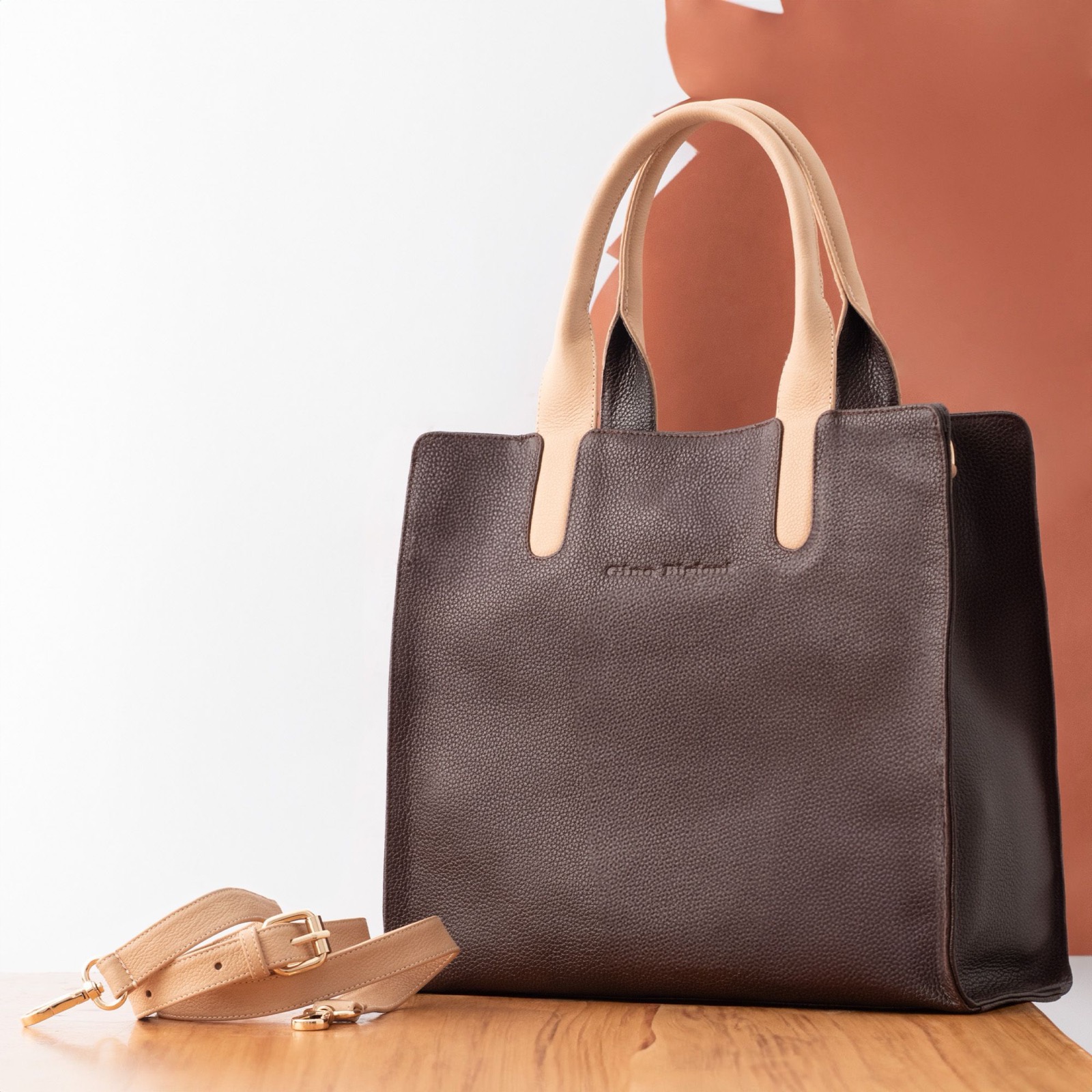
A handbag begins as a practical proposition: a place to carry things. Its cultural life starts when people recognise it before they know what is inside. A particular curve, fastening or handle can become shorthand for a period, a social world or an aspiration. The object remains useful, but it also becomes readable. People discuss not only whether it holds enough, but what it means to carry it and what kind of person they imagine carrying it well.
Harper's Bazaar's discussion of the It bag provides a contemporary prompt for this question. The interest is not simply in which design receives the label next. It is in how an ordinary category of object acquires an extraordinary amount of attention. That transformation involves design, images, repetition and the stories people attach to ownership. None of those forces guarantees lasting significance, and cultural visibility should not be confused with a reliable financial return.
A recognisable bag does not have to be loud. A silhouette, a small piece of hardware or the way a handle meets the body can provide enough identity. Recognition often depends on a detail that remains legible when the object appears briefly: in a street photograph, beside a chair or partly obscured by a coat. The design needs to survive those incomplete views if it is to become something people identify at a glance.
This creates an interesting tension between distinction and usability. A dramatic shape may be memorable but awkward to carry. A highly practical design may disappear into the category unless some feature gives it a clear identity. The most compelling objects often negotiate both demands, although the balance differs according to the wearer. A bag used for a short evening and one expected to manage an entire working day should not be assessed as if they have identical jobs.
Recognition also changes the experience of looking. Once you know a design, you notice it more readily. That increased attention can make it seem more common or more desirable, even before you have considered whether it suits you. The useful response is to separate familiarity from preference. Ask what you like about the object when the name is removed: the proportion, texture, opening, strap or colour. If little remains, the attraction may lie mainly in recognition itself.
A bag travels through images differently from the way it travels through daily life. In an image, it can be empty, perfectly positioned and carried for only a moment. In use, it contains keys, a phone, perhaps a book, and the accumulated practical requirements of the day. Weight changes its shape. A strap behaves differently over a coat. A fastening that looks elegant can become irritating when opened repeatedly. The cultural image does not cancel these ordinary facts.
Fashion photography often makes an object persuasive by placing it within a complete atmosphere. The clothes, setting, light and person carrying it all contribute to the impression. A purchase transfers only the bag. The surrounding world does not arrive in the box. This is worth remembering when a product seems to promise a new kind of life. The design may be beautiful, but its practical role will still be negotiated with the life already in progress.
That does not make desire foolish. Objects can bring pleasure, and a bag can alter how an outfit feels. The distinction is between enjoying a design and expecting it to resolve an identity. A considered purchase can include aesthetic emotion without pretending that the object will supply confidence, taste or belonging automatically. Those qualities are expressed through use and choice over time, rather than acquired intact with a recognisable accessory.

A handbag can become meaningful through the circumstances of acquisition: a gift, a milestone, a secondhand discovery or a long period of saving. These personal stories may matter more to the owner than the public narrative around the design. Two people carrying the same bag may therefore be carrying very different objects in an emotional sense. The cultural label is shared; the reason for keeping it is not.
Public stories operate differently. A design may be discussed through its maker, a collection, a celebrity image or a remembered era. Those narratives help the object circulate beyond its practical function. They can also narrow how it is seen, making a complex design seem like a simple badge. Looking carefully means allowing the object to be both: a product with particular construction and a carrier of associations that no single owner fully controls.
The label It bag is unstable because attention is unstable. A design can remain useful after the conversation moves elsewhere, or retain cultural interest while becoming less relevant to an individual wardrobe. Neither outcome should be treated as failure. An object does not need permanent public excitement to justify continued use. In fact, the period after peak attention may be when a bag becomes most clearly personal, because the owner keeps it without the support of the current conversation.
Before buying, test the practical proposition. Consider the contents you need, how you prefer to carry weight and whether you want one hand free. Look at the opening, the strap adjustment and the way the bag sits against the body. If possible, assess it with a coat as well as lighter clothes. A design that appears balanced in a product photograph may occupy a different amount of space when it joins your actual proportions and daily equipment.
Read material and care information rather than inferring durability from price or prestige. Consider whether visible wear will bother you and whether the expected maintenance fits your habits. A delicate object can be a valid choice for occasional use, but it should not be bought under the assumption that a famous name makes it indifferent to weather, friction or heavy contents. The specific product deserves specific questions.
Budget should include the reality of ownership, not an assumed future resale story. Selling requires time and may involve fees, changing demand and condition assessments. No cultural label guarantees that money will be recovered. Buy with a clear understanding of what you can comfortably spend for the use and pleasure you expect to receive. If the purchase depends on a prediction of appreciation, it has become a different decision from choosing a bag to carry.
A useful final exercise is to imagine the object after the public attention has quietened. The campaign has disappeared, the familiar faces are carrying something else and the bag now has signs of ordinary use. Would you still like its shape? Would you still reach for it? Would it continue to work with the clothes and contents of your day? Those questions bring the cultural object back into the hands of its owner.
A handbag becomes culturally interesting when design and shared attention make it more than a container. It becomes personally valuable through a different process: repeated use, pleasure, memory and fit with a particular life. The two forms of value can overlap, but they do not have to. Understanding the distinction allows you to enjoy the conversation around an It bag without letting that conversation make the purchase decision for you.
WINTER WARDROBE
Compare these current collections with the shapes and layers you already wear.
COS is a useful starting point when comparing a fine merino layer with a more substantial crew-neck or funnel-neck knit. Check the composition and care instructions on the individual item before choosing.
Johnstons of Elgin gives you a useful range of scarf shapes to compare. A narrow scarf can fit neatly under a coat collar; a stole offers more fabric to arrange over the shoulders. Read the dimensions and fibre composition before deciding.
OUR WRITERSJohn BlosteRead more from John Bloste on Bloom Society.
All stories by John Bloste ↗